P-DTR©

P-DTR (Proprioceptive Deep Tendon Reflex) is a relatively young therapeutic concept within manual medicine and functional neurology. The method was developed by the Mexican doctor Jose Palomar. The goal of this method is to recognize and correct faulty sensory information in the nervous system in order to reduce pain, improve movement patterns, and increase performance.
P-DTR stands for “Proprioceptive Deep Tendon Reflex”. The name reflects the central approach of this method. It involves working with proprioceptive and nociceptive stimuli and their reflex response through the autonomic nervous system.
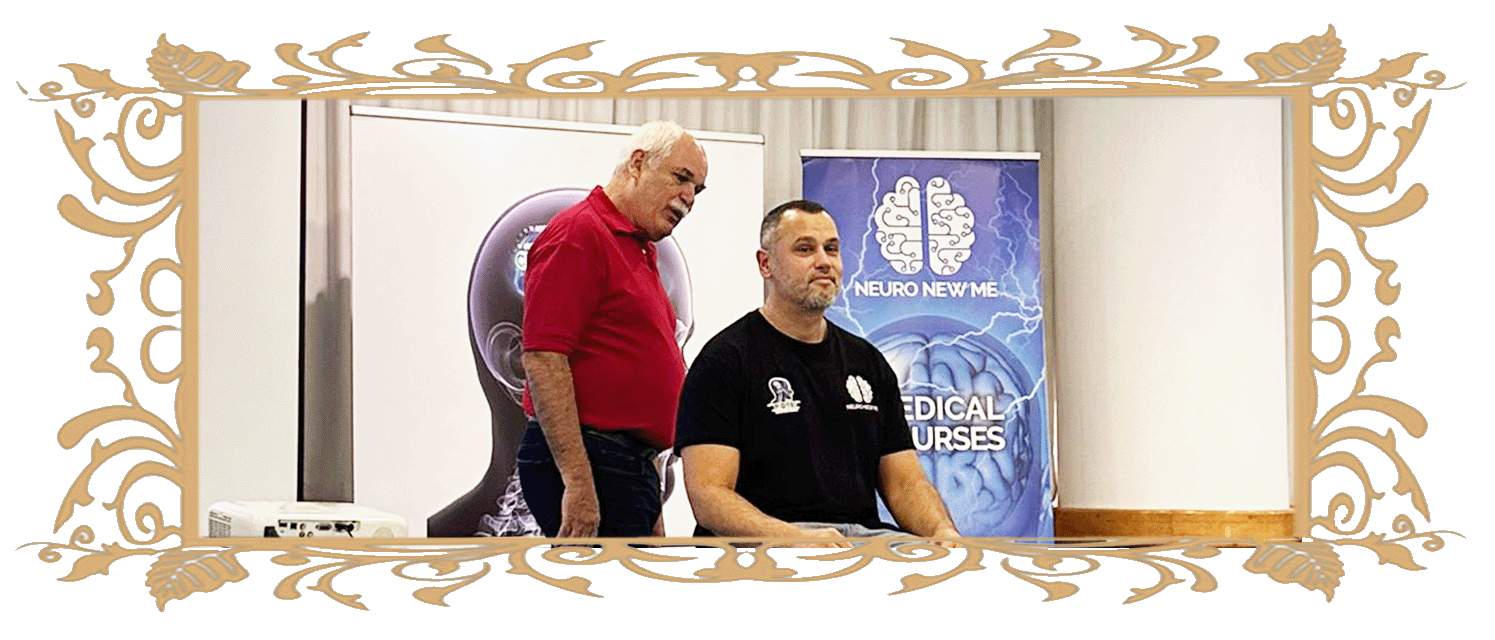
Proprioception describes the body's ability to perceive its own position and movement in space. This perception occurs via special receptors in muscles, tendons, joints, and skin, which continuously send information to the central nervous system.
Nociception is the process by which the nervous system receives and processes potentially harmful stimuli such as intense heat, pressure, or injury through corresponding receptors. These stimuli are transmitted via various pathways to the spinal cord and brain. There, the information is evaluated and can lead to the perception of pain. However, nociception itself is not the same as pain, but its biological basis. According to Jose Palomar's concept, disturbances in this system can arise when the brain misinterprets sensory stimuli. These misinterpretations lead to so-called "maladaptive programs." This means that certain stimuli – such as pressure, movement, or touch – trigger an inappropriate or excessive reaction. This can manifest as pain, restricted movement, or reduced muscle strength and performance.
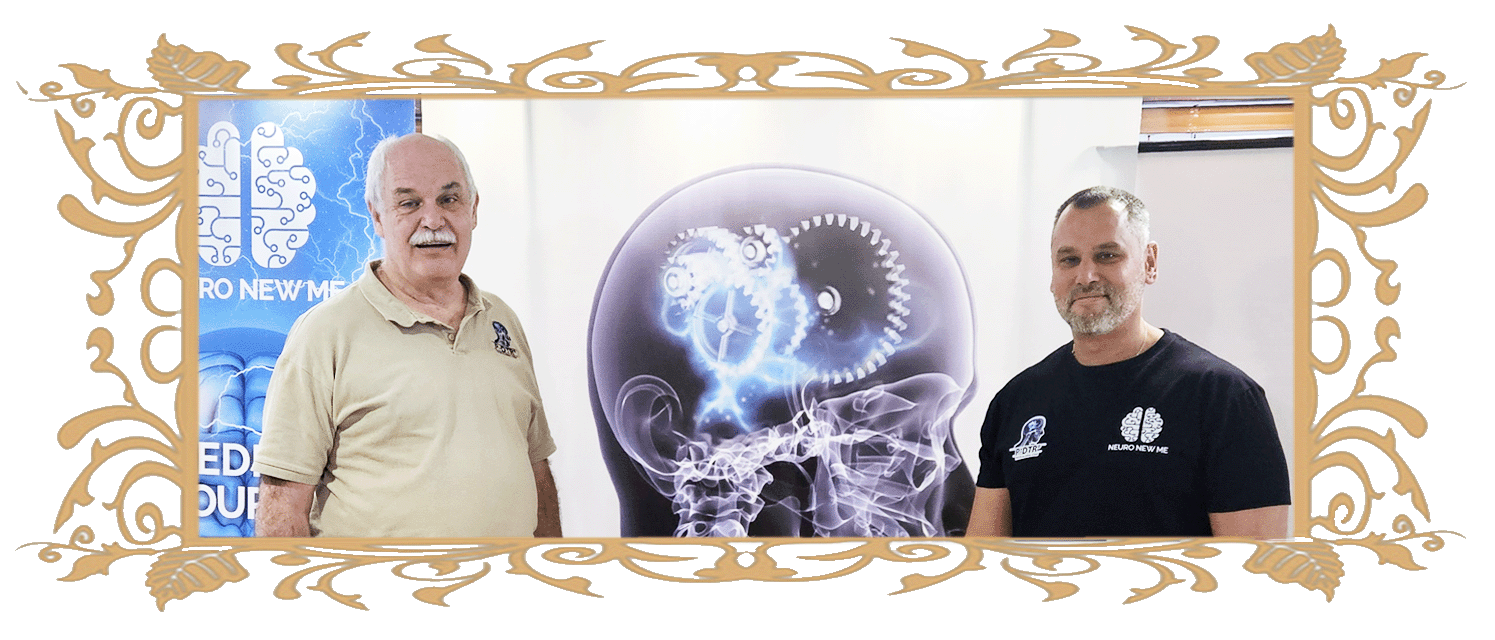
The treatment is based on specifically “resetting” these faulty connections. This is done by stimulating specific points while simultaneously performing certain movements or breathing techniques. The goal is to provide the brain with correct information so that it reorganizes the faulty reaction.
Typical elements of the treatment include:
- Stimulation of receptor points (e.g., on tendons or skin)
- Combination with movement or pressure
- Repetition until a stable muscle reaction is achieved
An important aspect is that the correction is often immediately measurable. After successful treatment, the muscle test shows a normal, stable reaction, and the patient often reports an immediate improvement in symptoms.
P-DTR website: p-dtr.org